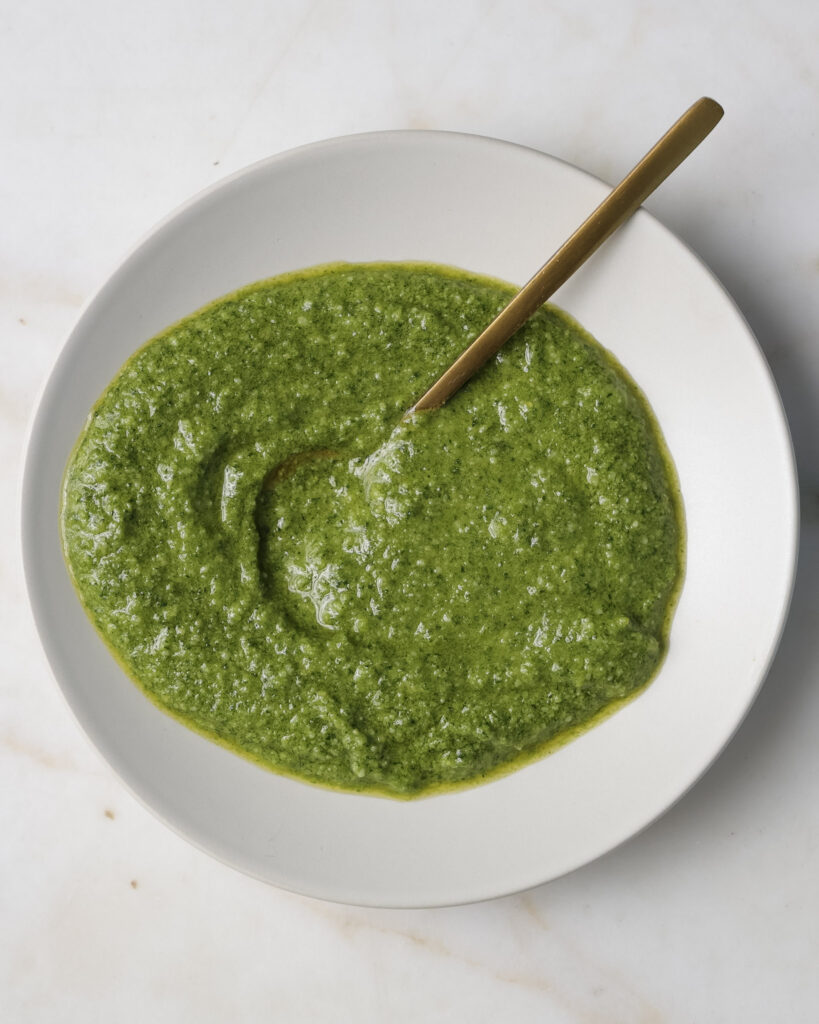
Ramp Pesto is a spring staple for me. It’s something I always come back to during the very short window that we’re lucky enough to have ramps around. It’s simple, bold, and lets the ingredient really shine. Using both the bulbs and greens gives you that signature garlicky bite with a balance that feels a little more special than your everyday sauce.
This leans into the spirit of a classic pesto, but the flavor is deeper and more assertive. A little goes a long way, and it finds its place just about anywhere – tossed with pasta, layered into sandwiches, spooned over roasted vegetables, or spread onto toast. It’s one of those things that instantly makes whatever you’re eating feel more like a complete dish.
If you’re feeling FOMO, missed the season, or are just feeling left out of the ramp party in general, this recipe is flexible! It works wonderfully with spinach, kale, arugula, or any other herb that you might like to make a pesto out of. It’s worth the try.
This recipe yields a little over 1 1/2 cups, perfect for keeping in the fridge and using all week long or freeze it to use later.
Table of contents
- What are ramps?
- A common misconception about ramps
- Ingredients you will need for this ramp pesto
- Ingredient substitutions
- Tips for how to add leafy greens to pestos
- How to make this ramp pesto
- How can I adjust the texture of my pesto?
- Serving suggestions
- Storage tips
- Why are weight measurements included in this recipe?
- Watch the recipe here
- Looking for similar recipes?
What are ramps?
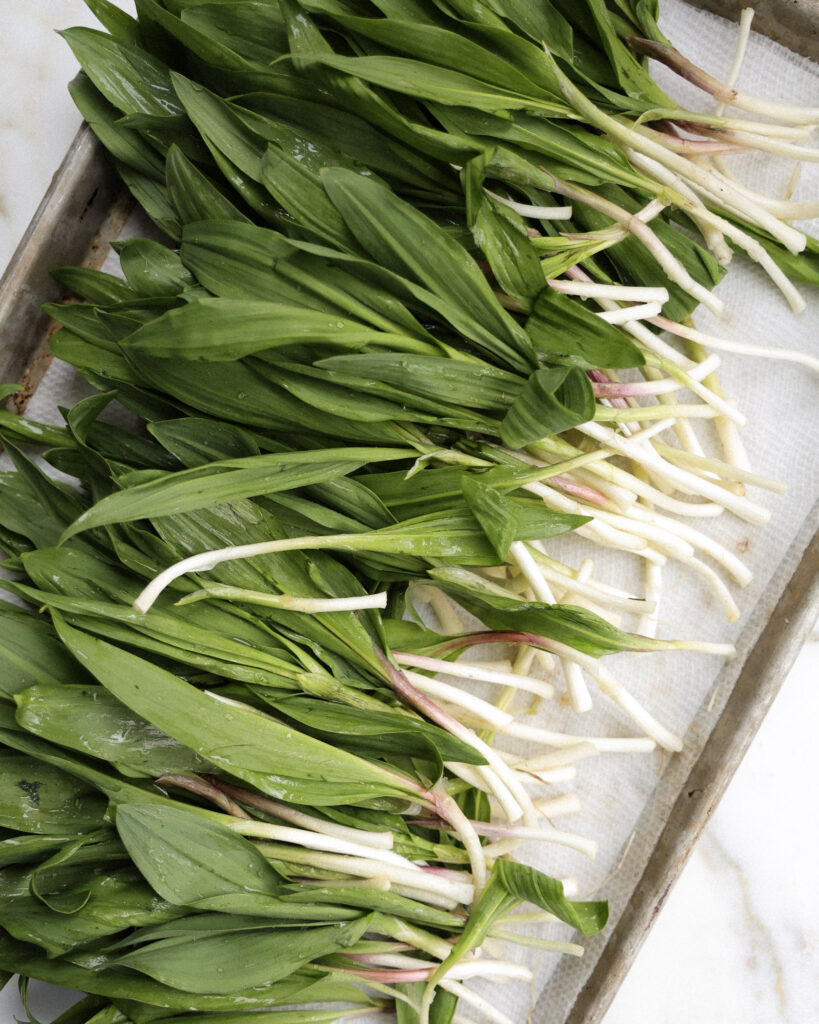
In a nutshell, ramps are an allium and a native wildflower that pops up in the spring in North America. Their season is incredibly short, which is why people tend to go a little nuts for them. They are also called wild leeks, spring onion, and ramson, and they impart a sweet, garlicky flavor on whatever you cook. They are truly delicious, and well worth the hype!
A common misconception about ramps
A quick note on ramps, because I think they get misunderstood a lot. Now that we know they’re part of the allium family, it helps to rethink how we use them. I’ve talked to so many people who either don’t quite get the hype or worry they’re preparing ramps “wrong,” and honestly, I think it comes from the idea that you have to cook and serve them whole.
But ramps don’t have to be the main event to shine. Think about how we use other alliums – you can eat roasted garlic on its own, but it’s usually at its best when it’s folded into something else. The same goes for onions, leeks, and everything in that family. Ramps work beautifully that way too.
Of course, they’re delicious on their own (I’ll always say yes to anything grilled and oniony), but they really excel as a way to build flavor. That’s why I keep coming back to things like infused butters or oils, or, hello, pesto. It lets you stretch that punchy, garlicky flavor across multiple meals, which feels especially worth it if you’re just getting into ramps.
Ingredients you will need for this ramp pesto
This pesto is pretty traditional, meaning the ratios matter that much more. Here is a list of everything you will need:
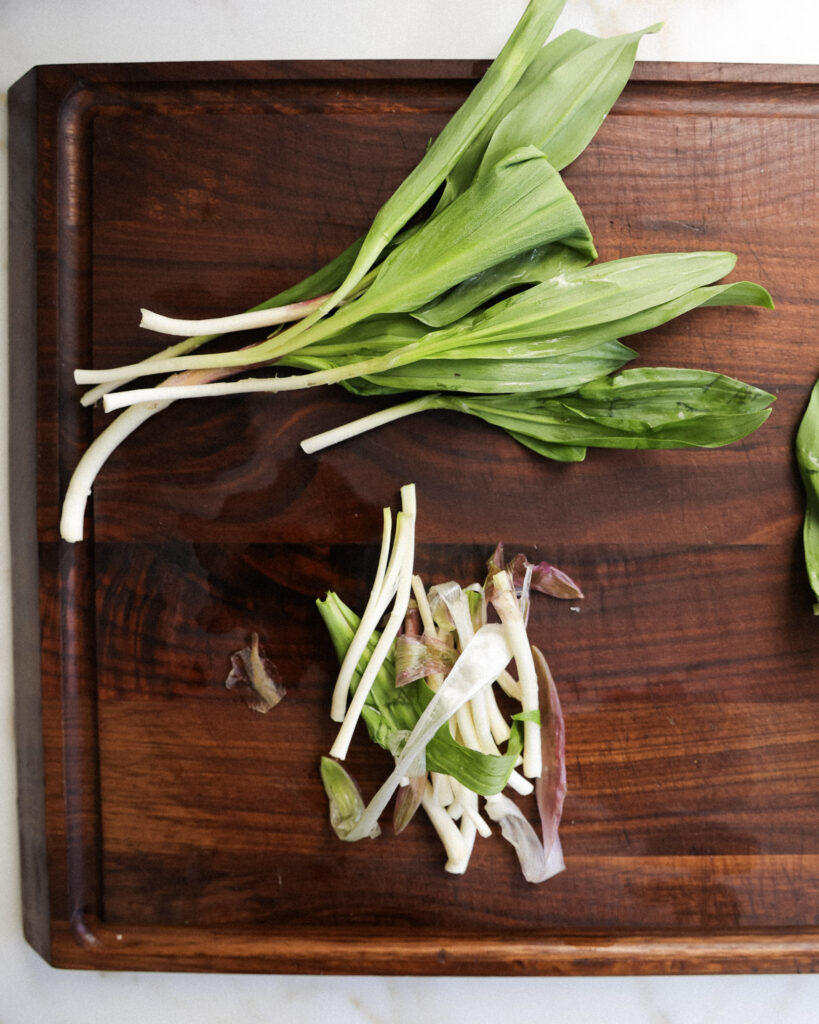
- 4 cups (5 oz) ramps, roots removed
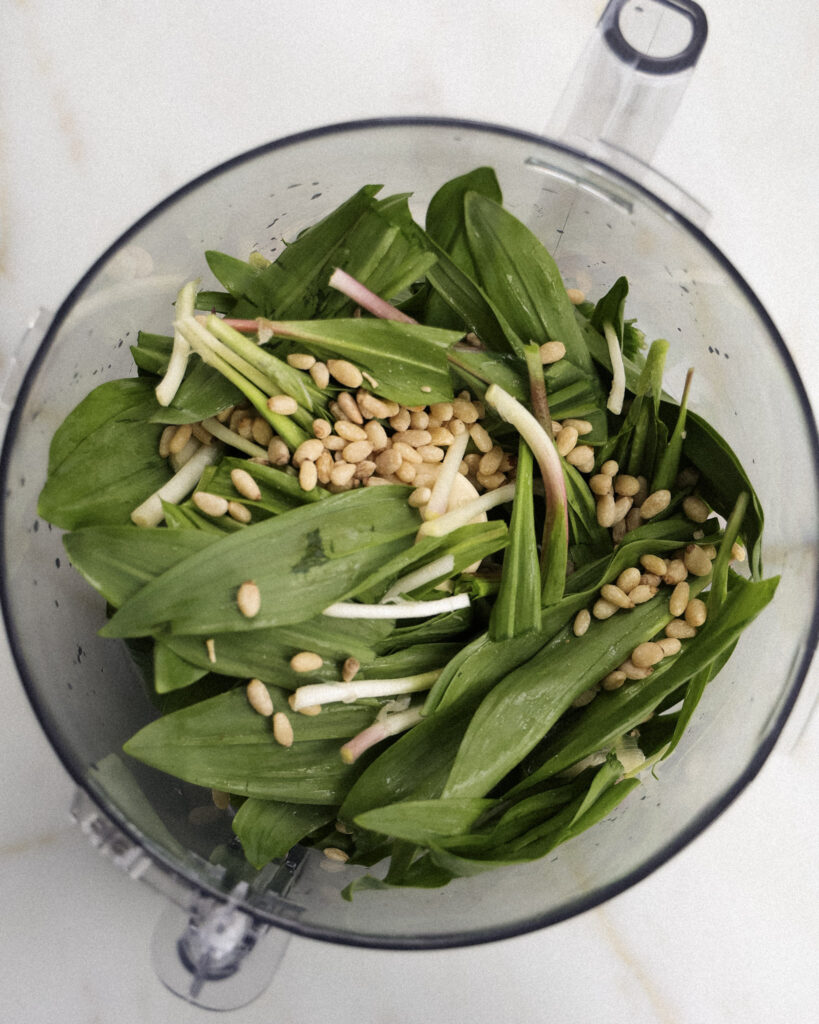
- 1/4 cup (1 oz) toasted pine nuts
- 3/4 cup (3 oz) cubed parmesan
- 1/2 teaspoon Diamond Crystal kosher salt, plus more as needed
- 1 cup extra-virgin olive oil, (you can stop at 2/3 cup, but why?)
- 1 teaspoon white wine vinegar, optional
Ingredient substitutions
- Ramps: Although they’re kind of the star of the recipe, I know they’re not always available so this recipe’s ratios also work well when you swap in spinach, kale, arugula, or carrot tops.
- Pine nuts: Can be swapped for walnuts, pistachios, cashews, or pumpkin seeds.
- Parmesan: Can be swapped for pecorino romano, ricotta salata, grana padano, or nutritional yeast for a dairy-free option.
- Extra-virgin olive oil: Swap for avocado oil, grapeseed oil, really any oil you like!
- White wine vinegar: It’s totally optional so feel free to omit, or it can be swapped for lemon juice.
Tips for how to add leafy greens to pestos
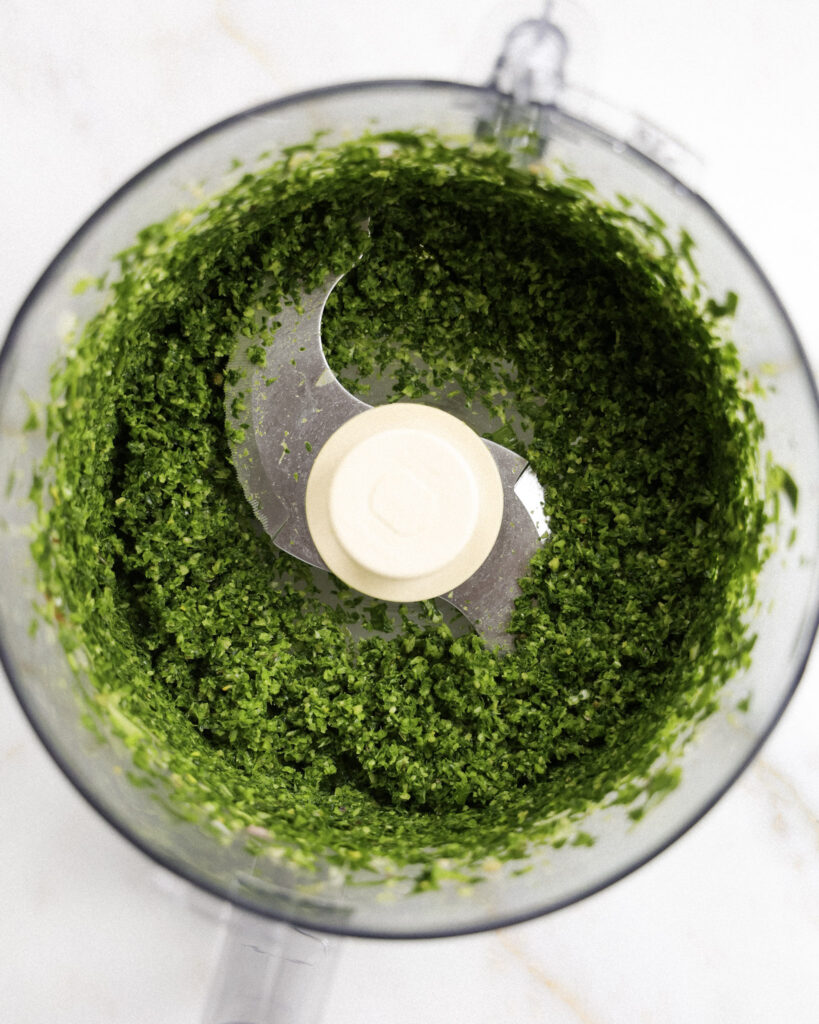
Making a pesto with something that has leafy greens and firm-ish stems is a bit different than traditional pesto. The greens need a bit more time and care so they can fully break down into the sauce. I like to first roughly chop the ramps before adding them to a food processor.
This gives your pesto the best texture, and alleviates any headaches you might have if you try to mix everything at once. This method will work with whatever greens you like to add to your pesto.
How to make this ramp pesto
- Roughly chop the ramps so that they don’t get wrapped around your food processor blade.
- Add the chopped ramps to a food processor along with the pine nuts. Pulse until you have a crumbly mixture.
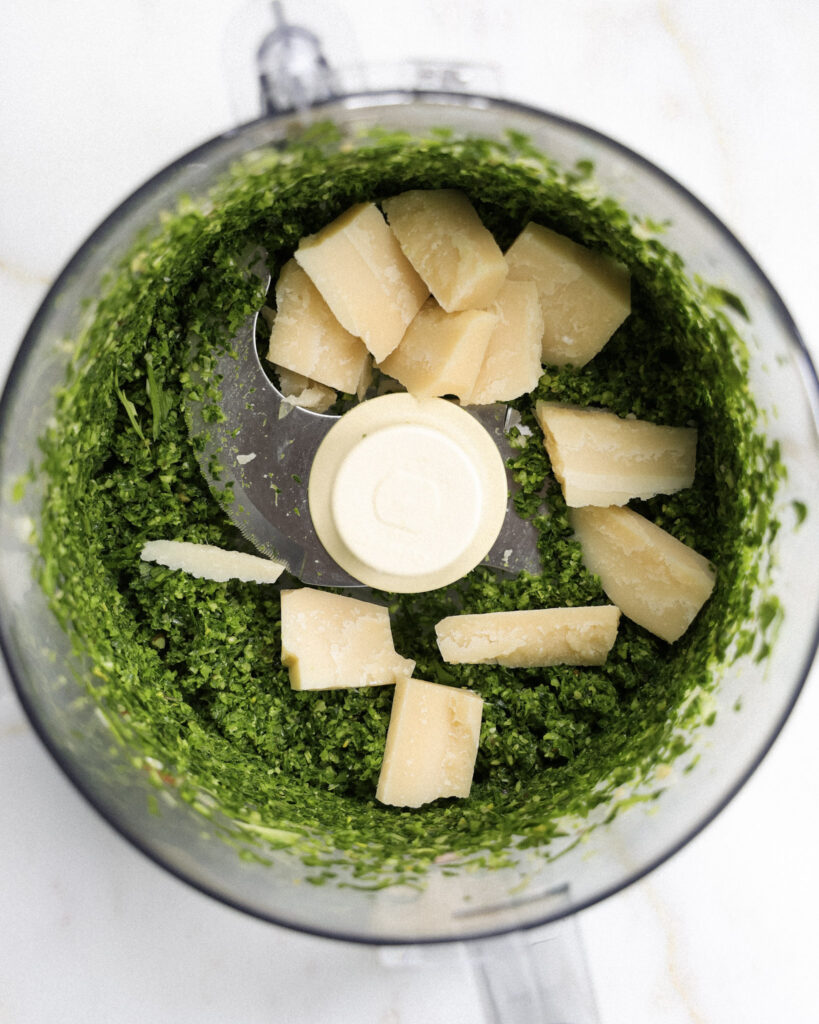
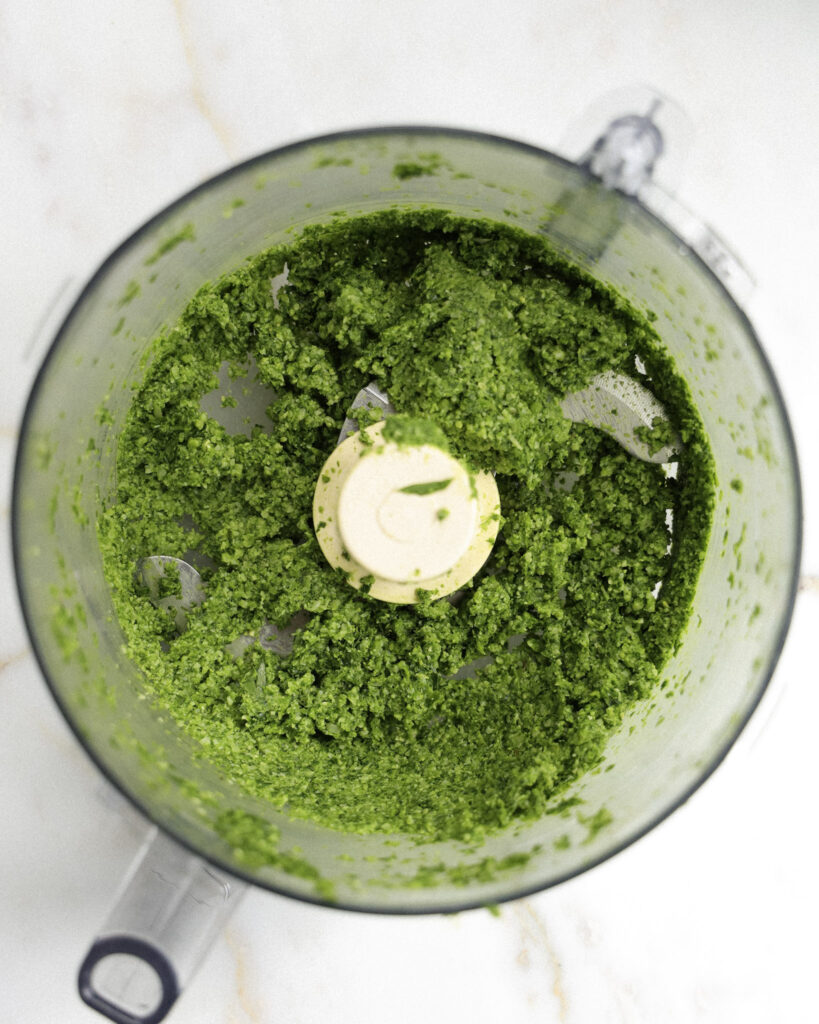
- Add the parmesan and pulse until the mixture is crumbly, but lighter in color and beginning to turn creamy.
- In 1/3 cup rounds, stream in the olive oil while the food processor is running. You can stop at 2/3 cup, depending on your desired thickness.
- Add 1/2 teaspoon of salt and taste. Add more salt as needed. If you like a touch of acid, add 1 teaspoon of white wine vinegar, but I find I never need it.
How can I adjust the texture of my pesto?
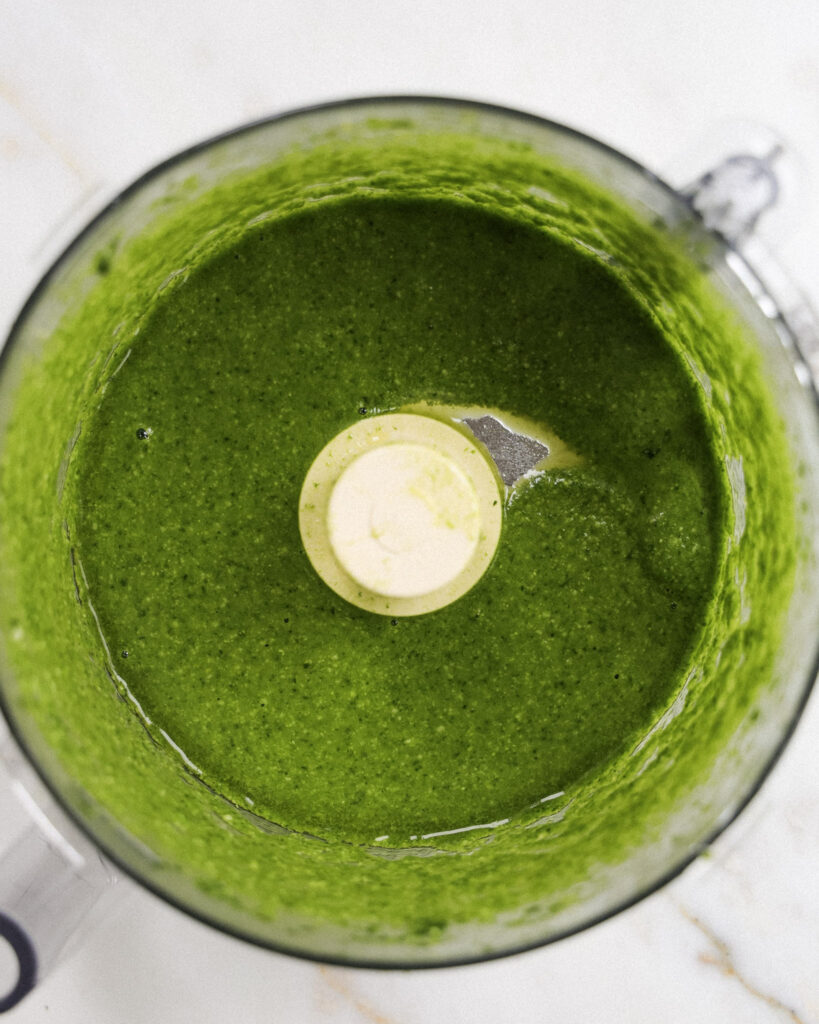
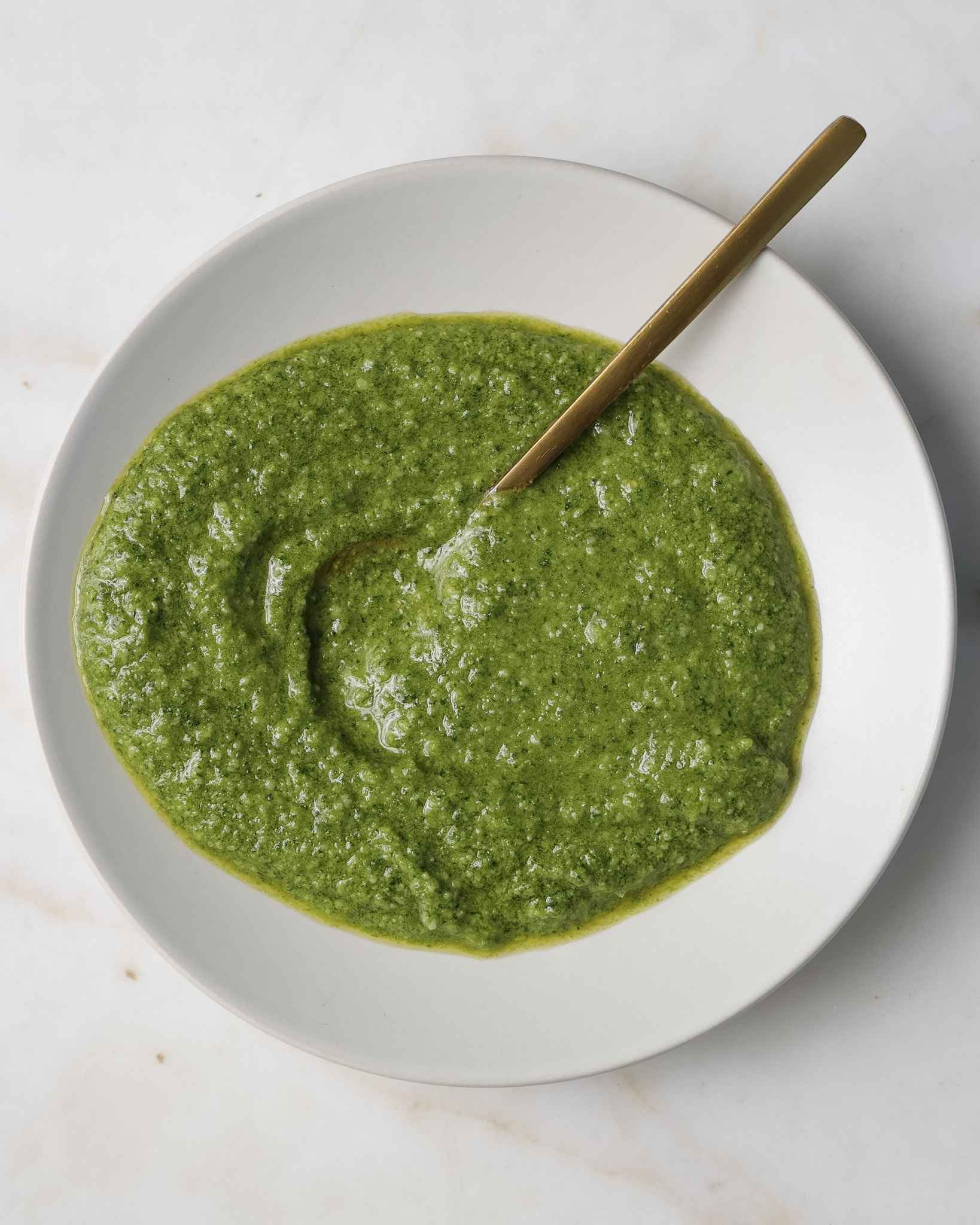
With this pesto specifically, you can make it as thick or as thin as you’d like. If you prefer your pesto thicker, use less olive oil. If you want your pesto a bit thinner than what’s pictured, feel free to add as much olive oil as you like until you’ve reached your desired consistency.
My favorite consistency is the one you will see below, which is good for spreading, but also great for pastas.
Serving suggestions
You can use ramp pesto just like you would any other kind of pesto!
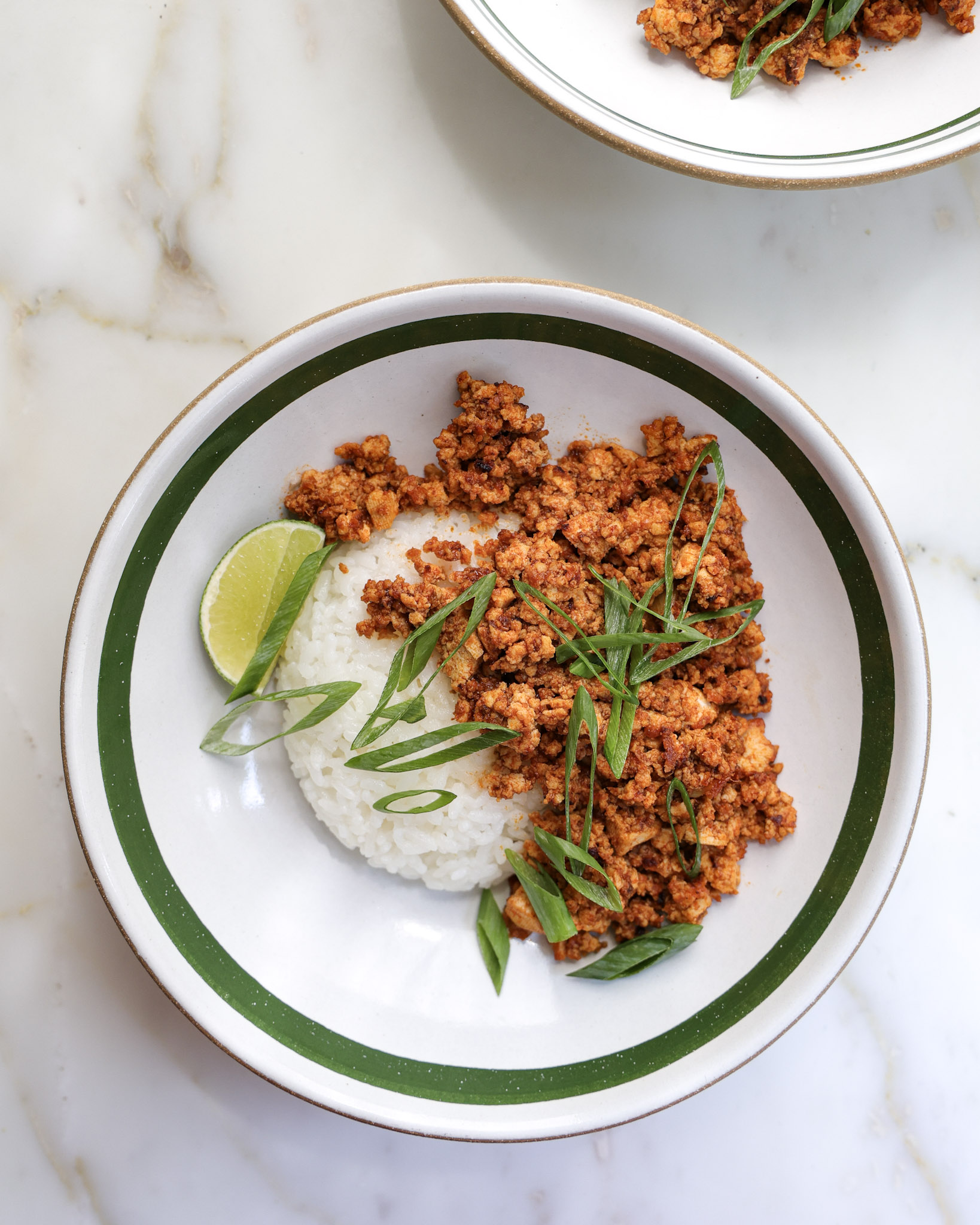
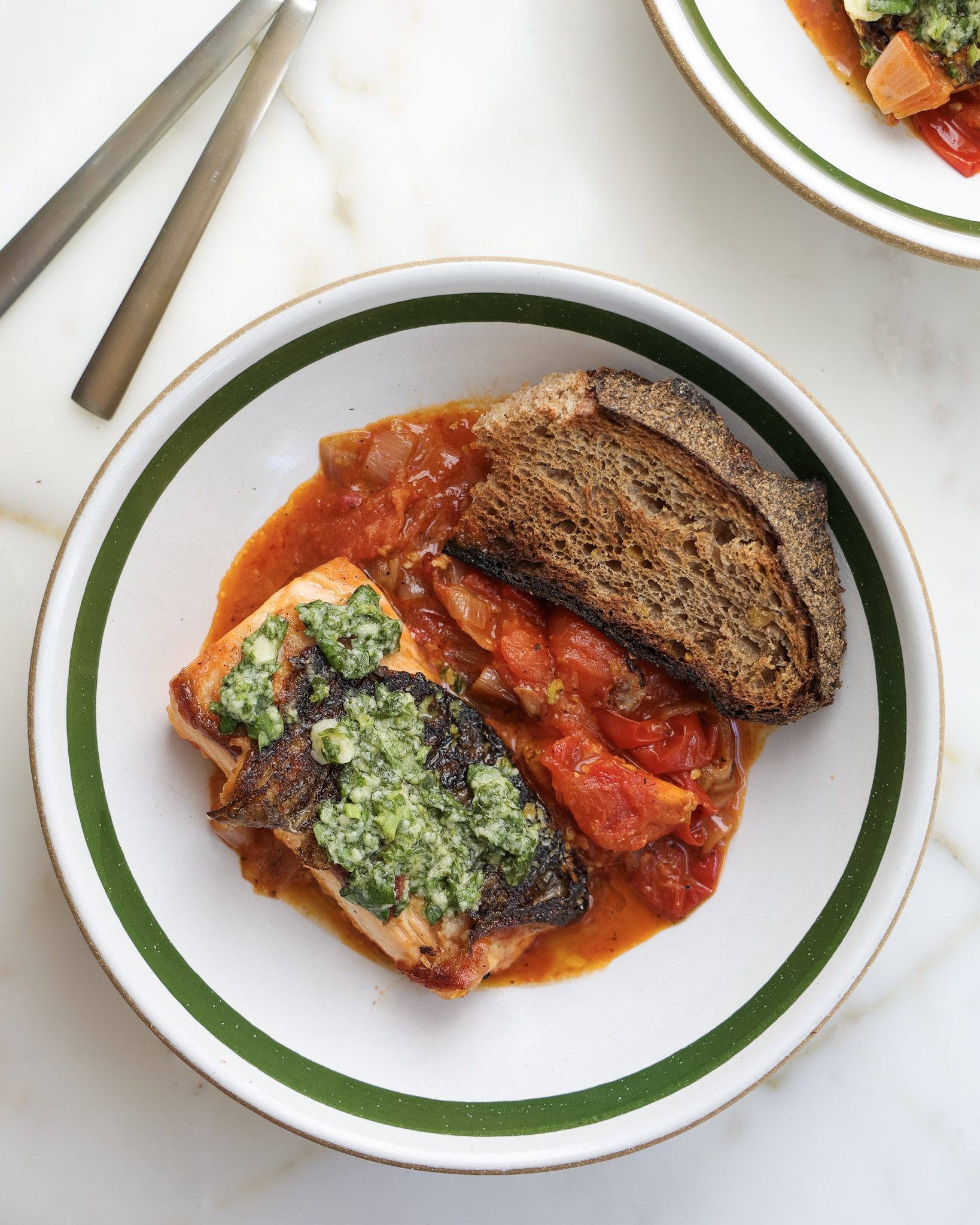
Some of my favorite ways include using it as sauce for pastas (gnocchi is especially good, but any shape works) or spooning it over fish or other proteins, like chicken or steak. You can spread it onto sandwiches, drizzle it over roasted veggies or grain bowls, or use it to finish soups with a bright, herby kick.
Storage tips
Here’s the best way to store it, based on each method:
Fridge: Store in an airtight container for up to 1 week. When ready to serve, mix well and add more olive oil as needed to reach desired consistency.
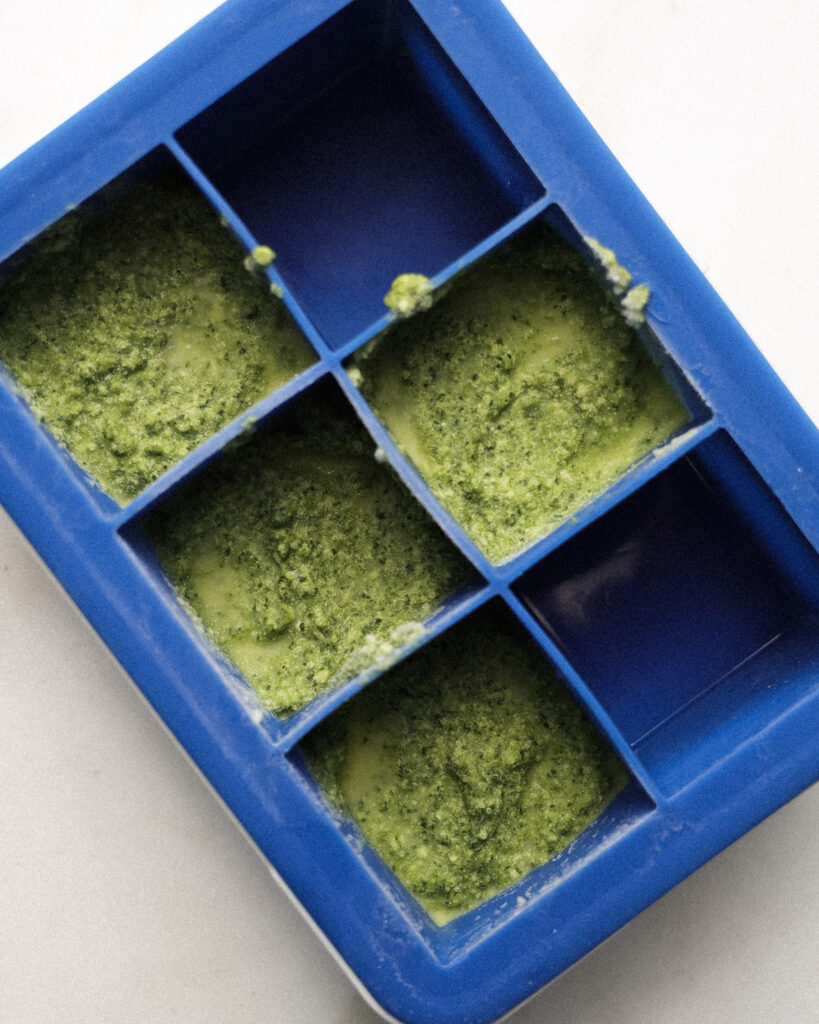
Freezer: Store in an airtight container, or (my favorite method) freeze it ice cube trays and transfer to a freezer bag once solid, for up to 6 months. These portioned cubes are great for tossing right into pastas. Otherwise, I recommend thawing it by putting it in the fridge and letting it slowly thaw for 24 hours. This will preserve its freshness and flavor. Freezing can slightly alter the texture or cause minor separation upon thawing so just be sure to mix well and add more olive oil, if needed.
Why are weight measurements included in this recipe?
This is simply so that you can keep your measurements accurate. I find that it’s hard to measure anything “leafy,” because what does a cup of ramps really mean? Firmly packed? Loosely packed? It can get tricky! I add in grams not because cups can’t suffice (they can!), but because grams are just a more accurate tool for any of us who are perfectionists.
I want to ensure you get the best results with this recipe (and I want to keep this recipe foolproof!) so I highly recommend getting a small affordable kitchen scale.
Watch the recipe here
Looking for similar recipes?
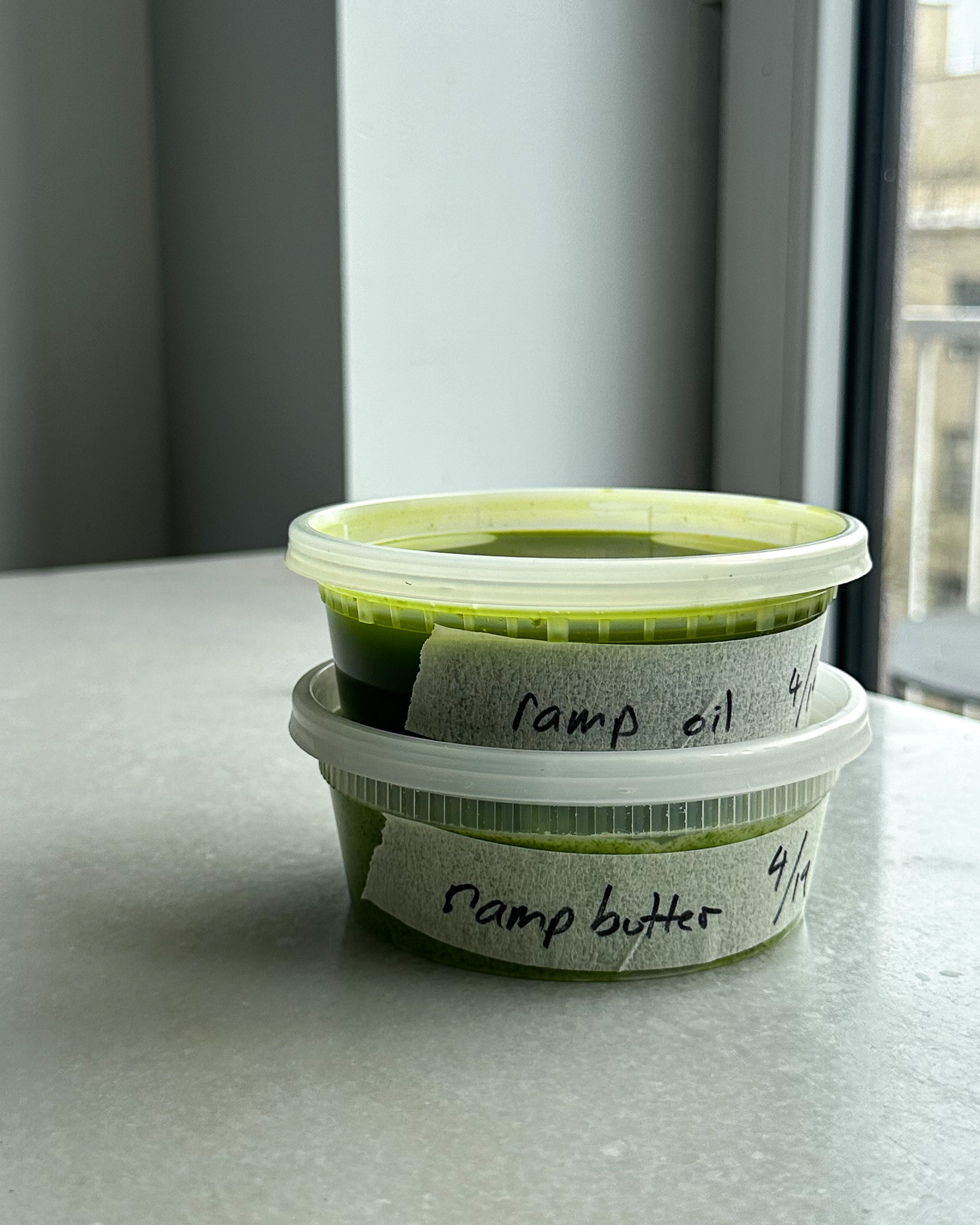
How to Make Ramp Oil & Ramp Butter
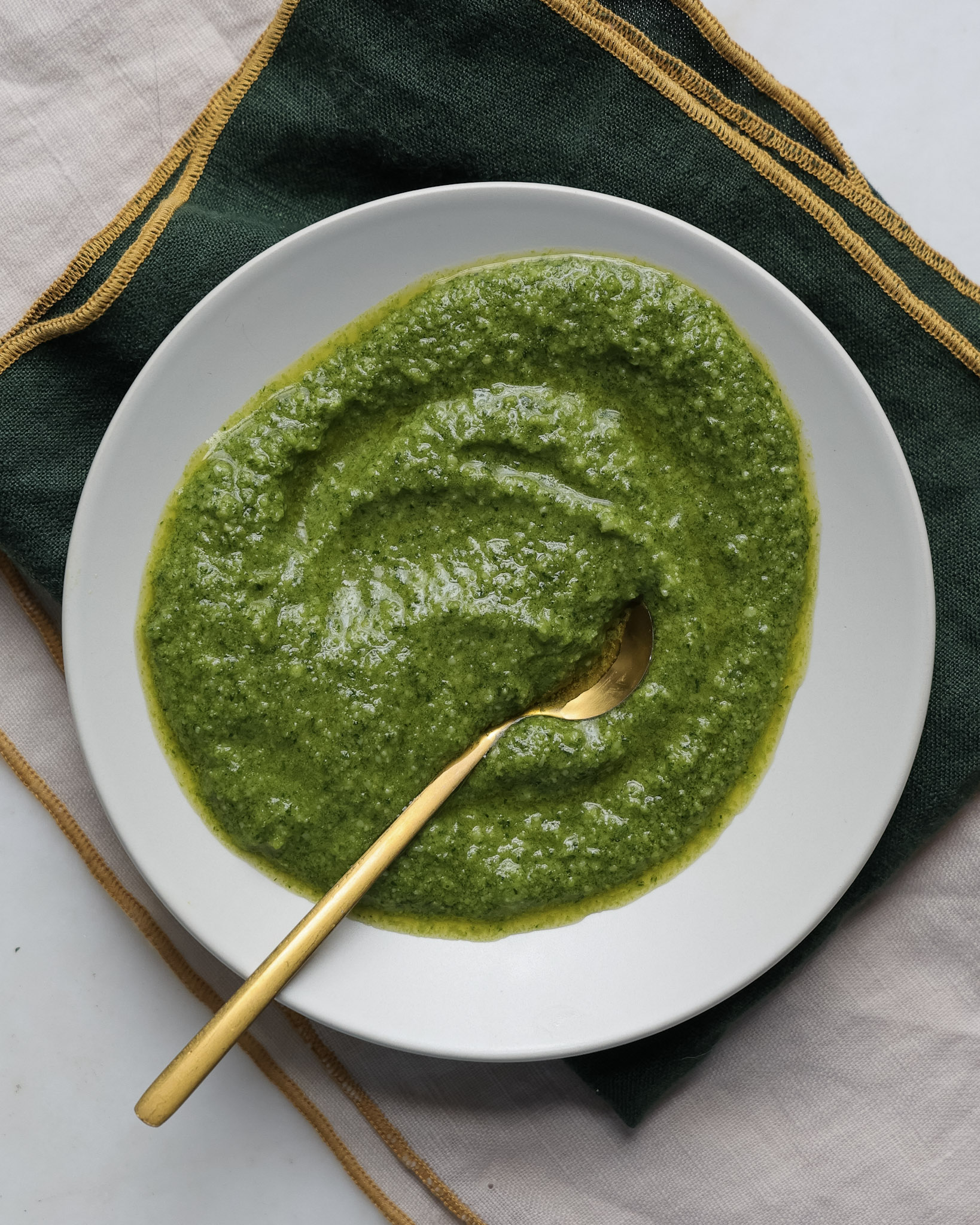
Carrot Top Pesto
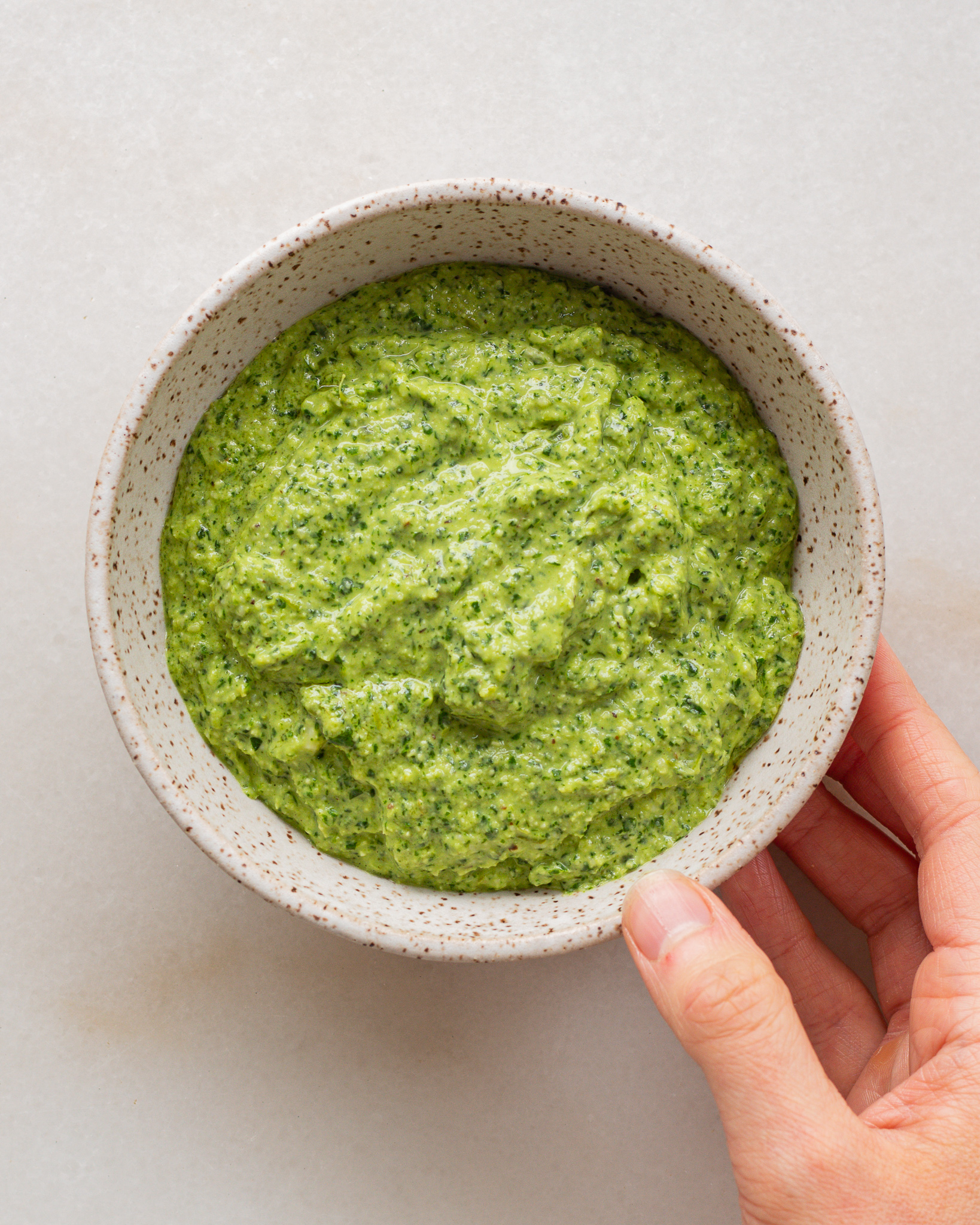
Charred Scallion Pesto
And that’s it for this Ramp Pesto!
Of course, if you make it, please tag me on Pinterest or Instagram so I can see! It’s my favorite thing to scroll through stories and see what you all are making.
You can also shop this video if you’re looking for the exact pieces I use – I’ve linked everything on my ShopMy! *some links may contain affiliate commissions
And of course feel free to leave any questions, comments or reviews! This is the best place to reach me, and I’d love to hear from you.
Equipment
Ingredients
- 4 cups (5 oz) ramps, roots removed
- 1/4 cup (1 oz) toasted pine nuts
- 3/4 cup (3 oz) cubed parmesan
- 1/2 teaspoon Diamond Crystal kosher salt
- 1 cup extra-virgin olive oil, you can stop at 2/3 cup, but why?
- 1 teaspoon white wine vinegar, optional
Instructions
- Roughly chop 4 cups of ramps so that they don’t get wrapped around your food processor blade. Add them to a food processor along with 1/4 cup of pine nuts. Pulse until you have a crumbly mixture.
- Add 3/4 cup of parmesan and pulse until the mixture is crumbly, but lighter in color and beginning to turn creamy.
- In 1/3 cup rounds, stream in the olive oil while the food processor is running. You can stop at 2/3 cup, depending on your desired thickness.
- Add 1/2 teaspoon of kosher salt and taste. Add more salt as needed. If you like a touch of acid, add 1 teaspoon of white wine vinegar, but I find I never need it.

Comments
Yeah I absolutely agree – grams would make following this recipe and adding the right amount of cubed cheese and ramps much easier 😅
You can always convert ounces to grams on your scale! Both are by weight so both should give you good accuracy 🙂
Just made this, yummy! How long will it last in the fridge? Can I freeze? Ty!
I’m so glad you liked it! It’ll stay fresh in the fridge for up to 1 week. You can absolutely freeze it either in an airtight container or (my favorite method) freeze it ice cube trays and transfer to a freezer bag once solid, for up to 6 months.
made this and it’s slightly bitter 🙁 my ramps were a bit old but otherwise very good,, not sure what i did wrong. maybe should have done it when they were fresh?
Ahh, I’m so sorry this didn’t turn out well! It could have been the ramps themselves or potentially overblending. If you still have it, you could try mixing in some lemon juice or white vinegar to brighten it up.
Leave a Comment
Made this recipe? Tell me all your thoughts or if you’ve got any questions!